1. Childhood and Social Barriers
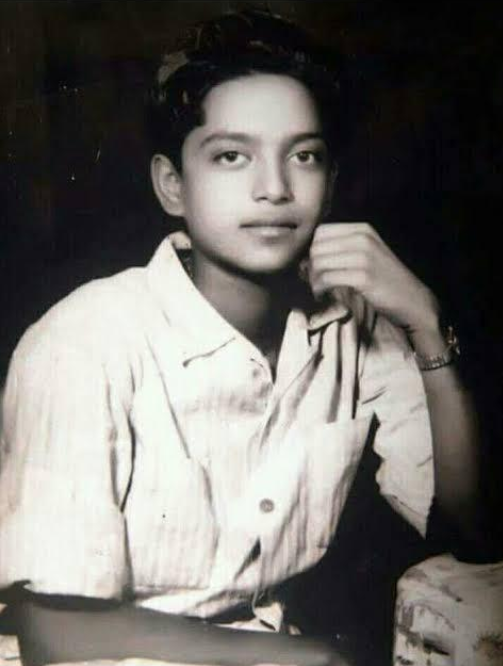
- Ambedkar was born into a Mahar family at a time when caste discrimination severely restricted opportunities for many communities.
- His childhood was marked by social exclusion and discrimination.
- Instead of allowing those circumstances to define his future, Ambedkar made education his primary instrument of transformation.
- This is one of the most powerful lessons for aspirants.
2. Education as a Weapon
Ambedkar studied at Elphinstone College in Bombay and subsequently went abroad for higher studies.
He studied at:
- Columbia University
- London School of Economics
- Gray's Inn
The British Museum records his studies in Bombay, New York and London, along with his later public roles.
His academic interests included:
- economics,
- law,
- political science,
- sociology,
- history and
- public policy.
3. Columbia University — Intellectual Transformation
- At Columbia University, Ambedkar came into contact with influential academic thinkers and developed his understanding of democracy, economics and social institutions.
- His education broadened his perspective beyond the immediate social environment in which he had grown up.
4. Return to India
- After his studies, Ambedkar returned to India and worked in different professional and academic capacities.
- However, his personal experience of caste discrimination continued.
- He concluded that social equality required more than individual success.
- It required institutional and legal change.
5. Social Reform
- During the 1920s and 1930s, Ambedkar emerged as a major leader campaigning against caste discrimination and for the rights of oppressed communities.
- He founded and supported organisations and newspapers to promote social awareness and political representation.
- His approach relied heavily on:
Education + Organisation + Constitutional Rights.
6. Mahad Satyagraha — 1927
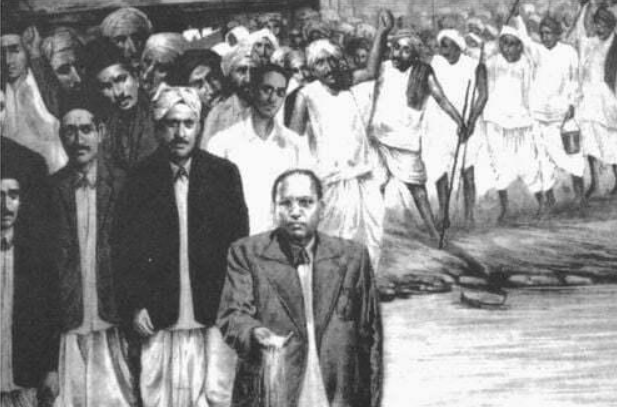
- The Mahad Satyagraha became an important episode in the struggle against caste-based exclusion.
- Ambedkar asserted the right of oppressed communities to access public water resources.
- He also publicly challenged the ideological foundations of caste discrimination.
7. Political Representation
- Ambedkar participated in constitutional and political negotiations concerning the political rights and representation of Depressed Classes.
- His disagreements and debates with other nationalist leaders—including Mahatma Gandhi—were part of a larger argument about representation, social reform and political safeguards.
- A realistic presentation should not reduce these complex debates to a simple personal conflict.
8. Labour and Governance
Ambedkar also worked on issues involving:
- labour welfare,
- industrial relations,
- economic policy,
- water resources,
- electricity,
- women's rights and
- social security.
His intellectual contribution extended far beyond caste reform.
9. Independent India's First Law Minister
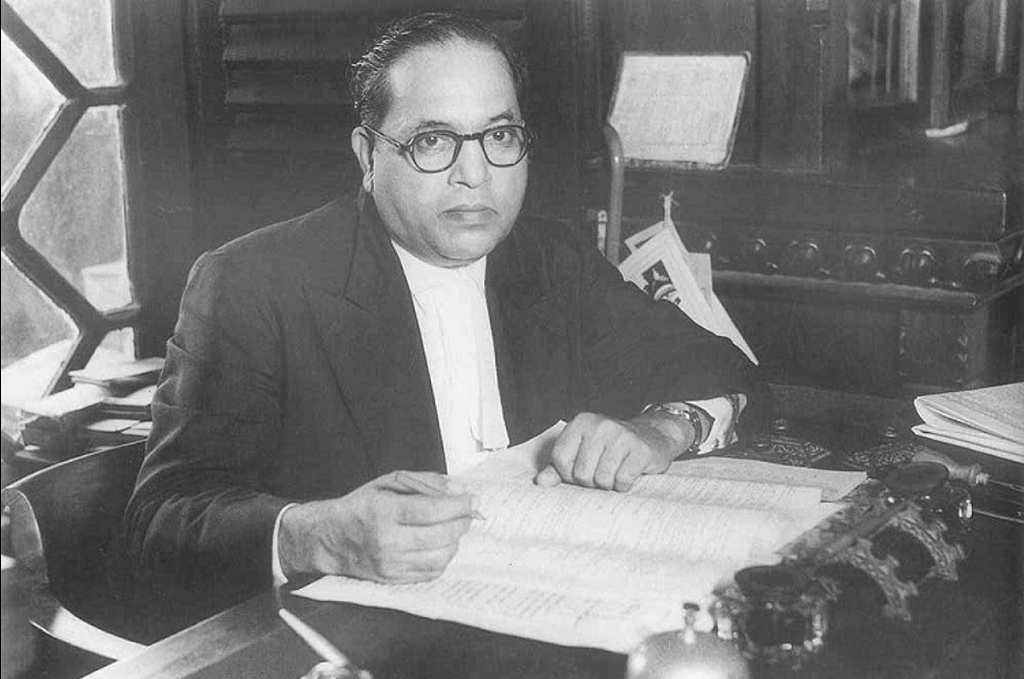
- After independence, Ambedkar became India's first Law Minister.
- He was then entrusted with one of the most important responsibilities in the new republic.
10. Drafting Committee — 1947
- On 29 August 1947, the Constituent Assembly appointed the Drafting Committee, with Ambedkar as one of its members and subsequently its Chairman.
- The official Constituent Assembly record confirms the committee's establishment and lists Ambedkar among its members.
- He played a central role in transforming constitutional decisions into a coherent legal document.
- However, for historical accuracy, the Constitution should not be portrayed as the work of Ambedkar alone. The Constituent Assembly, its committees, Constitutional Adviser B.N. Rau, the Drafting Committee, legal draftsmen and numerous Assembly members all contributed. Ambedkar himself acknowledged the contributions of others.
11. Presentation of the Draft Constitution — 1948
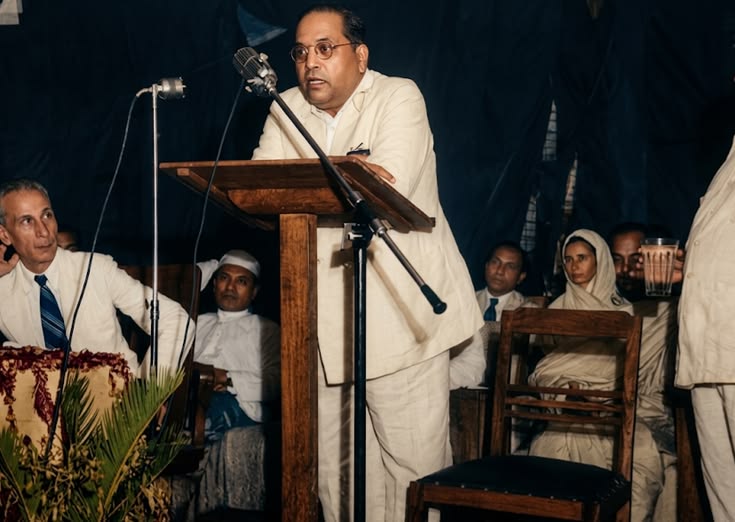
- On 4 November 1948, Ambedkar introduced the Draft Constitution in the Constituent Assembly.
- The Assembly then debated, amended and refined its provisions.
12. Constitution Adopted — 26 November 1949
- The Constitution of India was adopted on 26 November 1949.
- Ambedkar's role as Chairman of the Drafting Committee made him one of the central architects of the constitutional framework.
13. Resignation as Law Minister
- Ambedkar eventually resigned from the Union Cabinet in 1951, particularly amid disagreements surrounding the progress of the Hindu Code Bill and broader questions of social reform.
- His advocacy for reform included important concerns relating to women's legal and social rights.
14. Conversion to Buddhism — 1956
- On 14 October 1956, at Nagpur, Ambedkar formally embraced Buddhism along with a large number of followers.
- This became a major landmark in the modern Buddhist movement in India.
15. Mahaparinirvana — 1956
Ambedkar died on 6 December 1956 in New Delhi.
He was posthumously awarded the Bharat Ratna in 1990.