






Home  >  Gyanshila Specials  >  Inspirational Icons
Aug. 10, 2026

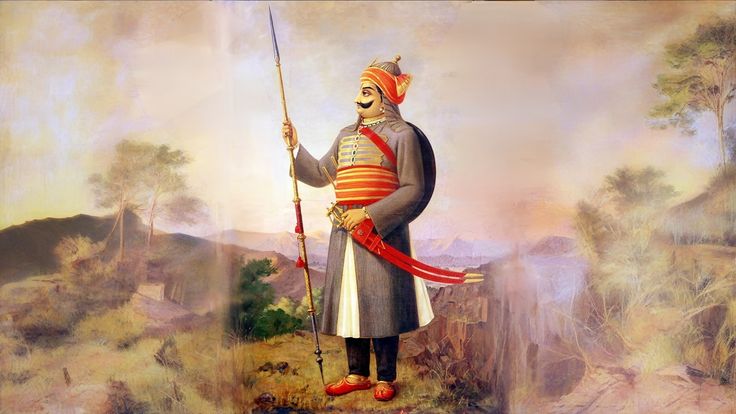
Maharana Pratap Singh Sisodia — Pratap Singh

A Legendary king of Mewar

Early Life & Birth

Maharana Pratap represents courage, resilience and determination - choosing prolonged struggle over surrender while defending Mewar's independence against the Mughal Empire.

  • Full Name: Maharana Pratap Singh Sisodia
  • Popular Name: Maharana Pratap
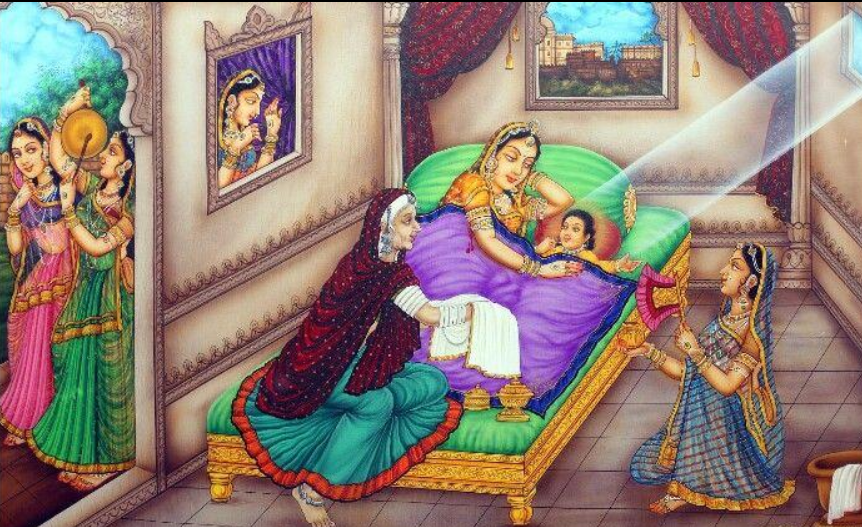
  • Birth: 1540, Kumbhalgarh, Mewar
  • Father: Udai Singh II
  • Mother: Jaiwanta Bai
  • Accession to the Throne: 1572
  • Battle of Haldighati: 1576
  • Battle of Dewair: 1582
  • Chavand Became Capital: 1585
  • Death: 1597

Rajasthan Tourism identifies Kumbhalgarh as the birthplace of Maharana Pratap, while a Rajasthan government document records his birth on 9 May 1540.
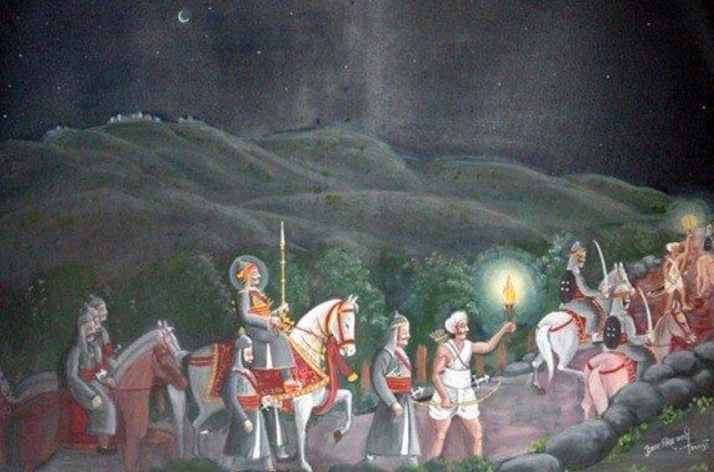
Life Journey

1. Childhood and Training

Pratap grew up in the turbulent political environment of 16th-century Rajasthan.

He was trained in:

  1. warfare,
  2. horsemanship,
  3. weapons,
  4. administration,
  5. battlefield strategy and
  6. leadership.

His formative years occurred during an era when powerful regional kingdoms faced expanding Mughal influence.

2. Accession as Maharana

  • After the death of Udai Singh II, Pratap became Maharana of Mewar in 1572.
  • His accession placed him before a difficult political choice.
  • The Mughal Empire under Akbar was expanding, and several Rajput rulers entered political relationships with the Mughals.
  • Pratap maintained his resistance to accepting Mughal supremacy.

3. Diplomatic Pressure

  • Before the famous Battle of Haldighati, negotiations and diplomatic missions sought to secure Pratap's submission.
  • He ultimately refused to accept the political arrangement demanded by the Mughal side.
  • This is where his story becomes particularly relevant to aspirants: leadership sometimes involves making difficult decisions when the easier option is available.

4. Battle of Haldighati — 1576

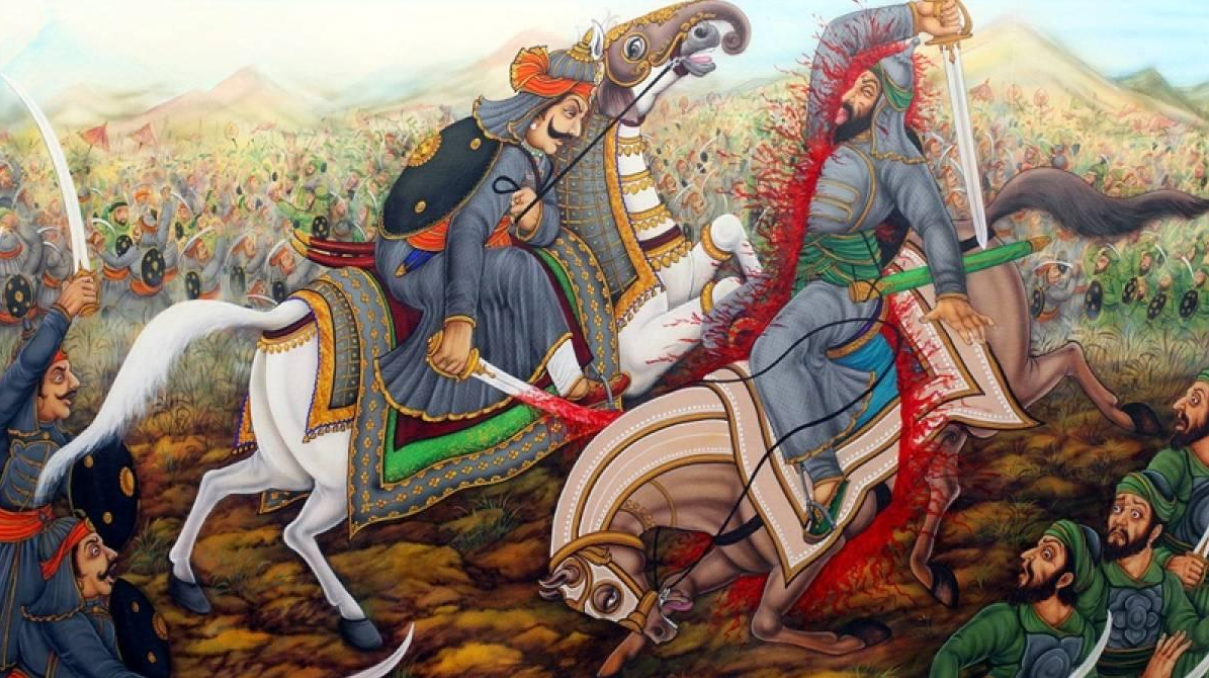
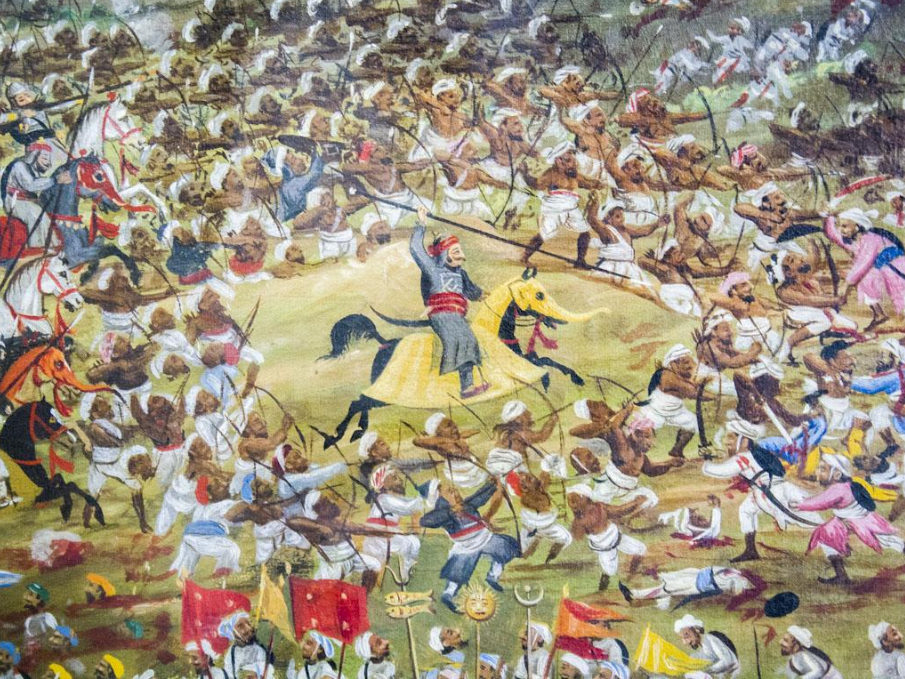
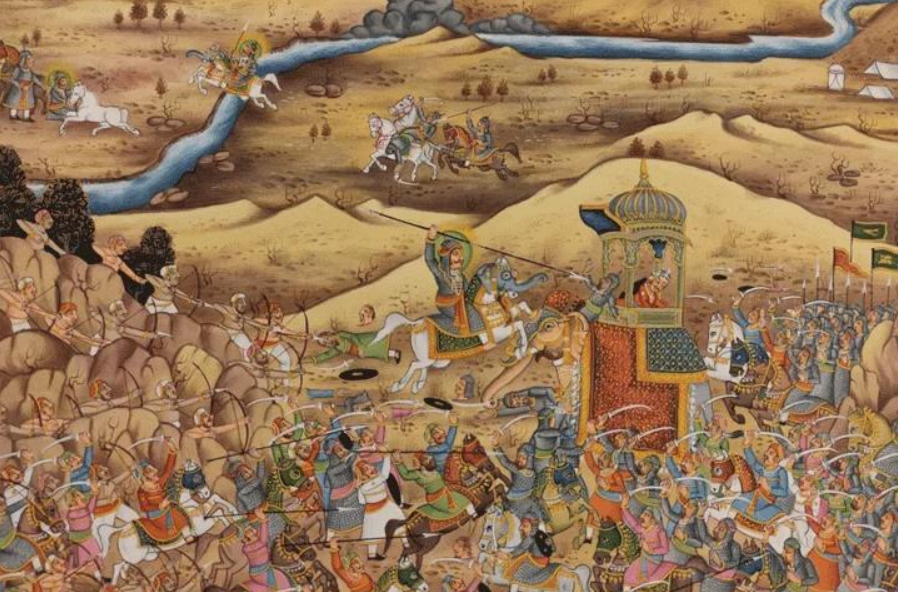
  • The Battle of Haldighati took place in 1576 between the forces of Maharana Pratap and the Mughal forces commanded by Raja Man Singh of Amber.
  • The battle became one of the most famous episodes of Pratap's life.
  • Rajasthan Tourism identifies Haldighati as the historic battlefield and records the battle between Pratap and Man Singh's Mughal forces.
  • The traditional story of Chetak, Pratap's loyal horse, has become deeply embedded in the cultural memory surrounding the battle.
  • A crucial historical point should be retained on the website: Haldighati should not simply be described as a simplistic “Maharana Pratap defeated the entire Mughal Empire” narrative. The battle itself had a complex military outcome, while Pratap's later resistance continued.

5. Years of Struggle

  • After Haldighati, Pratap faced enormous difficulties.
  • His forces operated under difficult geographical and logistical conditions.
  • He relied heavily on the terrain of the Aravallis and continued resistance rather than accepting Mughal sovereignty.
  • This period represents perhaps the most inspirational part of his life.
  • He continued despite losing territory, resources and conventional advantages.

6. Recovery of Mewar Territories

  • Pratap gradually rebuilt his position.
  • Through military campaigns and strategic resistance, he recovered significant portions of Mewar.
  • His struggle demonstrates that a setback does not necessarily determine the final outcome.

7. Chavand

  • Pratap established Chavand as an important base during the later period of his reign.
  • The later years were devoted to consolidating the territories he had recovered and rebuilding the kingdom.

8. Death — 1597

Maharana Pratap died at Chavand in 1597.

His son Amar Singh I succeeded him.

Achievement's Breakdown

Year
Major Event
1540
Birth at Kumbhalgarh
1572
Became Maharana of Mewar
1576
Battle of Haldighati
Late 1570s
Continued resistance and survival under severe pressure
1580s
Recovery of substantial Mewar territories
Later reign
Chavand became an important centre of his kingdom
1597
Death at Chavand

Aspirant's Special

What Aspirants Can Learn

Resilience - one setback does not end the journey.
Self-respect - principles influence difficult decisions.
Adaptability - change strategy when circumstances change.
Leadership - carry responsibility during adversity.
Persistence - long-term goals require sustained effort.

“Haldighati did not end Maharana Pratap's struggle. His real inspiration lies in what came after the battlefield—the decision to continue, rebuild and recover.”

Core inspiration: A difficult result does not define the final destination; your response to it does.

Related Articles

Register Now