Siddhartha Gautama's story begins in the Shakya kingdom, traditionally dated to the 6th century BCE. According to Buddhist tradition, he was born at Lumbini and raised in Kapilavastu in circumstances of considerable privilege. His early life was protected from many of life's harsher realities. But comfort could not prevent questions.
As he encountered the realities traditionally described as old age, sickness, death and the life of an ascetic, Siddhartha began to question whether material comfort could provide a permanent answer to human suffering.
This is perhaps the first major lesson for an aspirant: intellectual curiosity often begins when we refuse to accept the obvious answer.
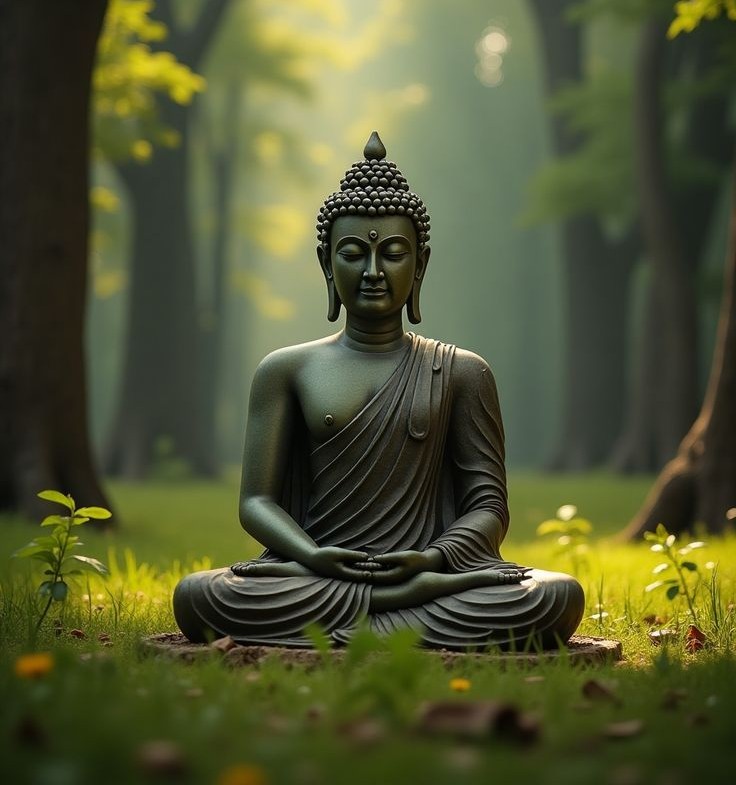
Around the age of 29, according to traditional accounts, Siddhartha left his princely life and began a search for deeper understanding. He studied with teachers and experimented with severe ascetic practices. Eventually, he recognized that extreme luxury and extreme self-denial were both inadequate paths. He adopted what became known as the Middle Way.
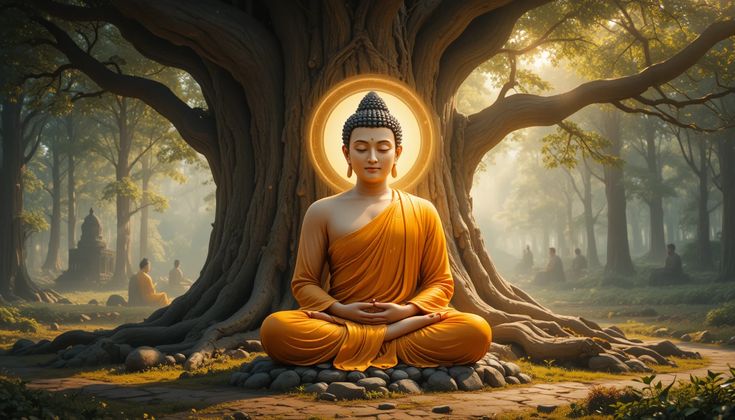
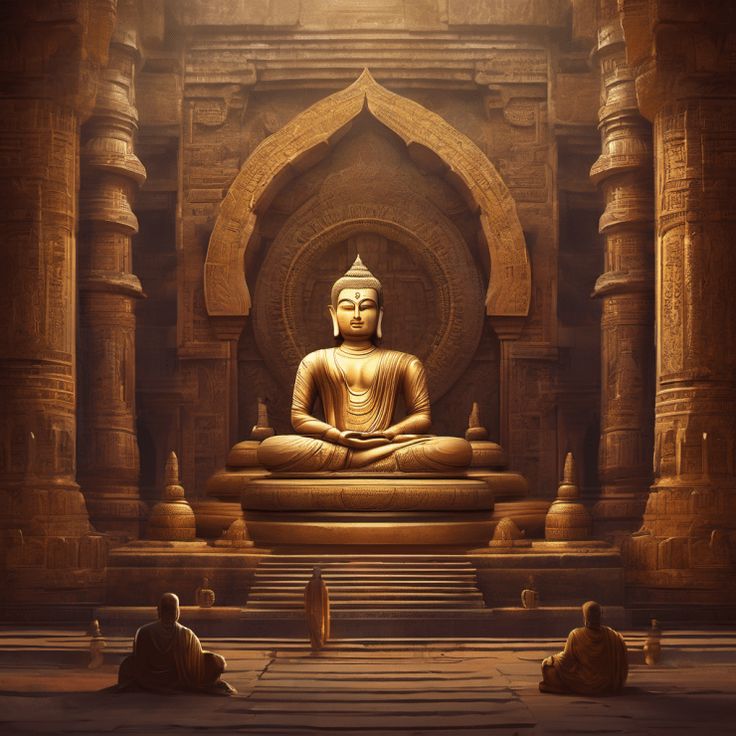
At Bodh Gaya, after sustained meditation, Siddhartha attained enlightenment and became the Buddha—the "Awakened One." Bodh Gaya remains traditionally associated with his enlightenment under the Bodhi tree. His achievement did not end with personal enlightenment. He spent decades teaching.
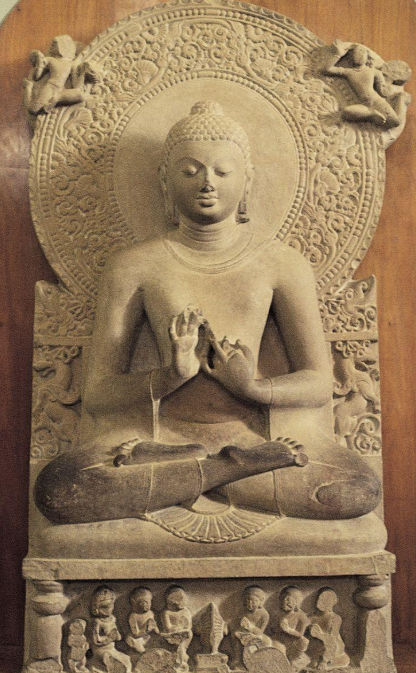
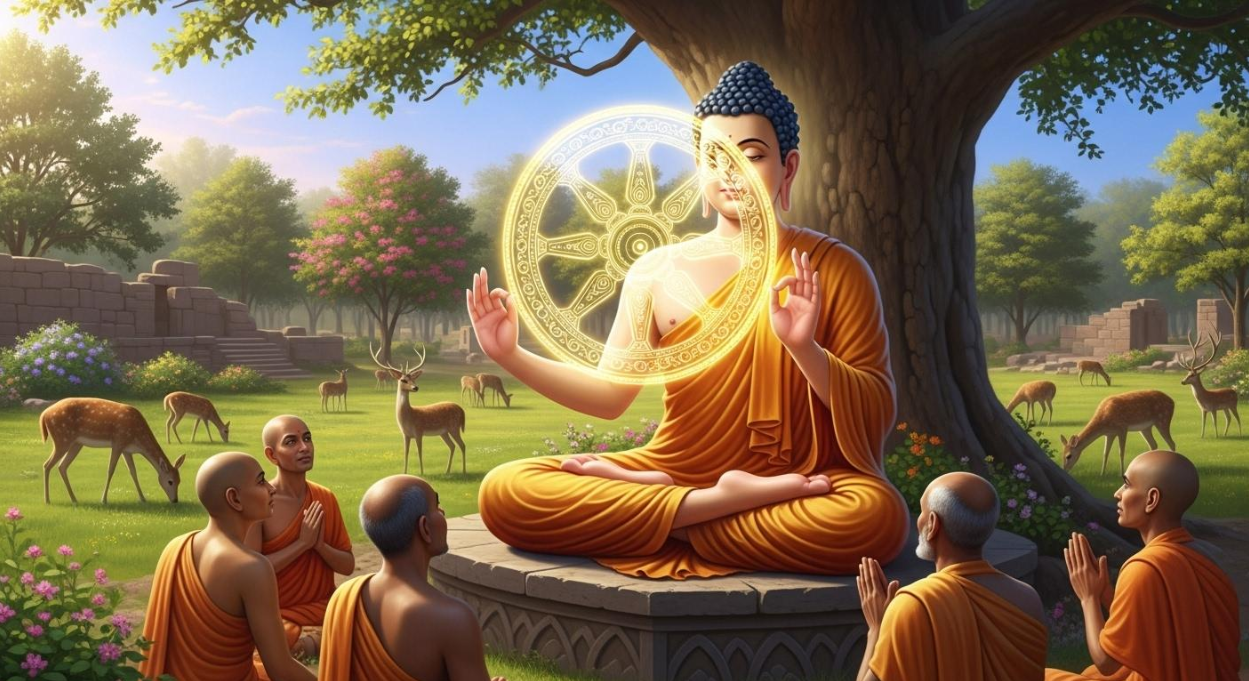
At Sarnath, he delivered his first major sermon, beginning a teaching career that would influence Indian civilization and eventually much of Asia. His teachings emphasized the nature of suffering, its causes, its cessation and the path toward liberation.
He eventually reached Kushinagar, where Buddhist tradition places his Mahaparinirvana.